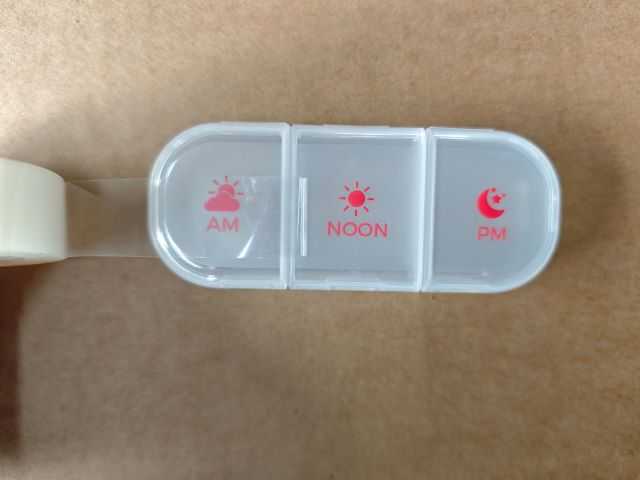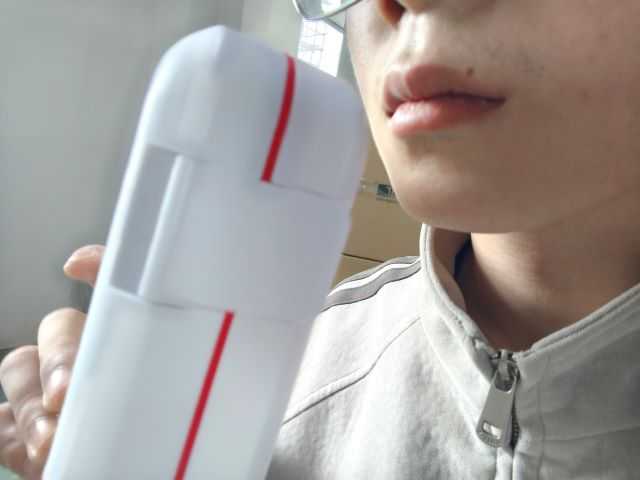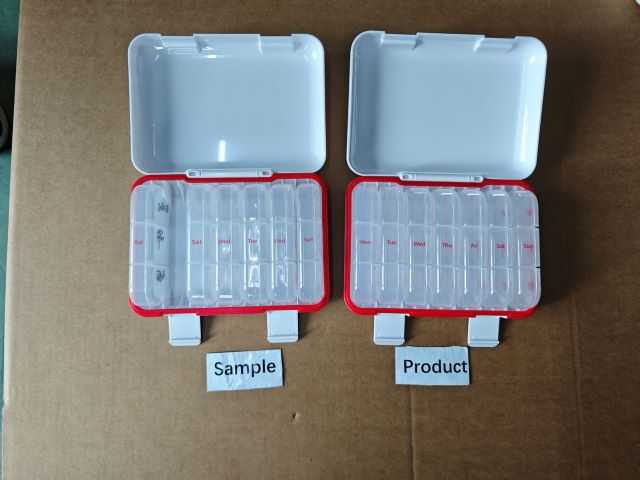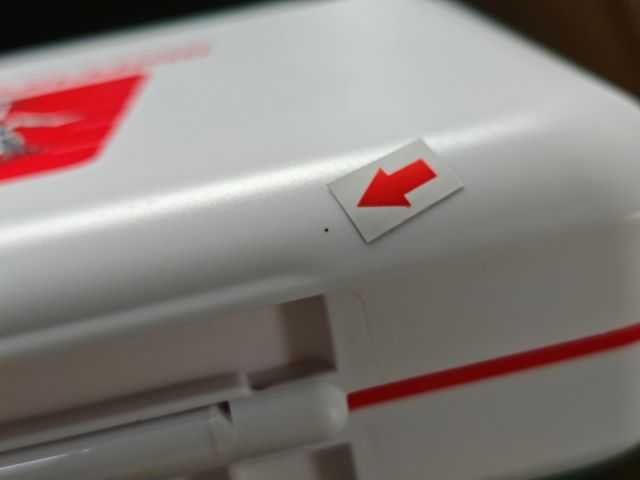
Although medicine boxes look simple, they are the first packaging that patients come into contact with, and are closely related to pharmaceutical compliance and brand reputation. Blurry printing, dimensional deviation, poor gluing or insufficient folding resistance of medicine boxes will not only cause jamming on automatic packaging lines and delay delivery schedules, but also trigger customer complaints and bulk returns, resulting in heavy losses for foreign trade. Many pharmaceutical manufacturers, purchasers and cross-border sellers choose third-party inspection and third-party quality control services. They entrust professional third-party inspection companies, third-party QC companies and third-party product checking companies to carry out pre-shipment on-site inspections at factories to block quality risks before shipment.
Our company is an authorized third-party inspection, testing and certification body. We provide one-stop third-party inspection service, inspection service, third-party checking service and product checking service. All our product quality inspection activities are performed in strict accordance with the AQL sampling standard. Below we introduce the full inspection workflow, on-site test items and inspection methods for medicine box on-site inspection.
1. Standardized Closed-loop On-site Inspection Process
Professional medicine box inspection is far more than simple visual check. It is a well-documented third-party quality inspection system with standardized procedures. Step 1: Pre-inspection preparation. Before visiting the factory, our QC engineers verify purchase documents, approved samples and inspection specifications. Sampling quantity is determined under the AQL sampling standard to ensure samples are representative of the whole batch. Apart from product inspection, we also provide third-party factory audit, supplier audit and third-party audit services to support clients’ supplier quality control and reduce quality risks at the source.
Step 2: Batch information verification. Upon arrival at the production site, inspectors first verify batch number, total quantity and shipping marks against purchase orders to ensure full traceability, then draw samples randomly following the sampling plan. We also provide supporting services including third-party loading supervision, container loading supervision and container supervision. We support Mexico PEO Pre-origin Inspection to meet diverse export requirements. As a local Guangdong inspection company, we can deploy inspectors from our Zhejiang inspection company and Fujian inspection company branches for fast on-site arrangement.
Step 3: Preliminary visual inspection. Inspectors sort and record defect types, defect quantities and defect rates for sampled items. We cover a wide range of product categories. Besides medicine boxes and medical device inspection, our scope includes full inspection for garments, toy inspection service, children’s products inspection, indoor & outdoor furniture inspection, household goods inspection, home appliance inspection, baby & infant products inspection, general household goods inspection, electrical & electronic product inspection, kitchenware inspection, power tool inspection, lighting fixture inspection. We also offer Amazon inspection and Amazon inspection service tailored for cross-border e-commerce sellers.
Step 4: On-site performance testing. Professional testing equipment is used to measure dimensions, printing quality and physical strength of medicine boxes. Photos and videos are recorded throughout the whole process. All test data are independent and objective as part of impartial third-party testing.
Step 5: Batch evaluation. Defects are classified as critical, major and minor to issue inspection results: Pass, Fail or Re-inspection required. Once critical non-conformities are found, we notify the client immediately and coordinate corrective actions with the factory to prevent defective goods from being loaded.
Step 6: Formal inspection report issuance. A graphical inspection report is generated with on-site photos, test data, defect records and final judgment, serving as valid supporting documents for shipment release, rework or claim settlement.
2. On-site Test Items & Inspection Methods
Medicine box inspection covers five core dimensions: appearance, dimension & structure, printing quality, physical performance and material.
Visual appearance inspection: Visually check for stains, scratches, indentations, blisters, substrate exposure, uneven cutting, edge burst and cracks. Appearance defects are the most frequent non-conformities during medicine box production.
Dimension & structure inspection: Vernier calipers and rulers are used to measure length, width, height and gluing margin to confirm compliance with tolerance requirements. Die-cutting and window opening positions are checked; folding smoothness is verified. Dimensional errors often cause jamming on automatic cartoning machines and disrupt pharmaceutical packaging lines.
Printing quality inspection (core item): Color difference meter is used to compare color deviation (ΔE) against approved samples. Magnifiers are applied to check register accuracy and dot reproduction. Product name, specification, batch number, expiry date, barcode and other information are double-checked to avoid misprint, missing print or ghosting.
Physical performance test: Folding resistance test to check breakage after repeated folding; stiffness test to avoid collapse during storage and display; compression & puncture resistance test to simulate stacking pressure and prevent damage in transit; ink rubbing test to verify anti-friction performance; gluing strength test to confirm tight adhesion and avoid opening during transportation.
Material verification: Paper grammage and thickness are checked with grammage scale and thickness gauge. Lamination, varnish and UV coating adhesion are inspected. For safety compliance items such as solvent residue which cannot be tested on site, samples will be sent to laboratory for further third-party testing.
3. Core Advantages of Professional Third-party Inspection
Compared with factory self-inspection, cooperating with a third-party product checking & inspection company brings obvious benefits. Defects are intercepted at factory premises, avoiding costly return or rework after cargo arrival at destination. As an independent third party, we deliver unbiased results. Inspection reports and evidence files are fully traceable and accepted by both buyers and suppliers. Early inspection leaves sufficient time for rework and rectification to secure delivery schedules.
Pharmaceutical packaging is critical for medication safety. Strict quality control is equally essential for medical devices and baby products. Inspection following AQL standards safeguards smooth export and brand reputation. If you need product quality inspection, Amazon inspection, product checking, container loading supervision, factory audit or supplier audit services, please contact us. Our professional third-party inspection company team controls quality for every shipment — inspect at factory, mitigate risks in advance!